Contractor License & Surety Bonds for dampproofing contractors
Many states and municipalities require dampproofing and waterproofing contractors to carry a contractor's license bond. Larger commercial and government projects also require performance and payment bonds. We place bonds quickly so you can bid the work and stay compliant.
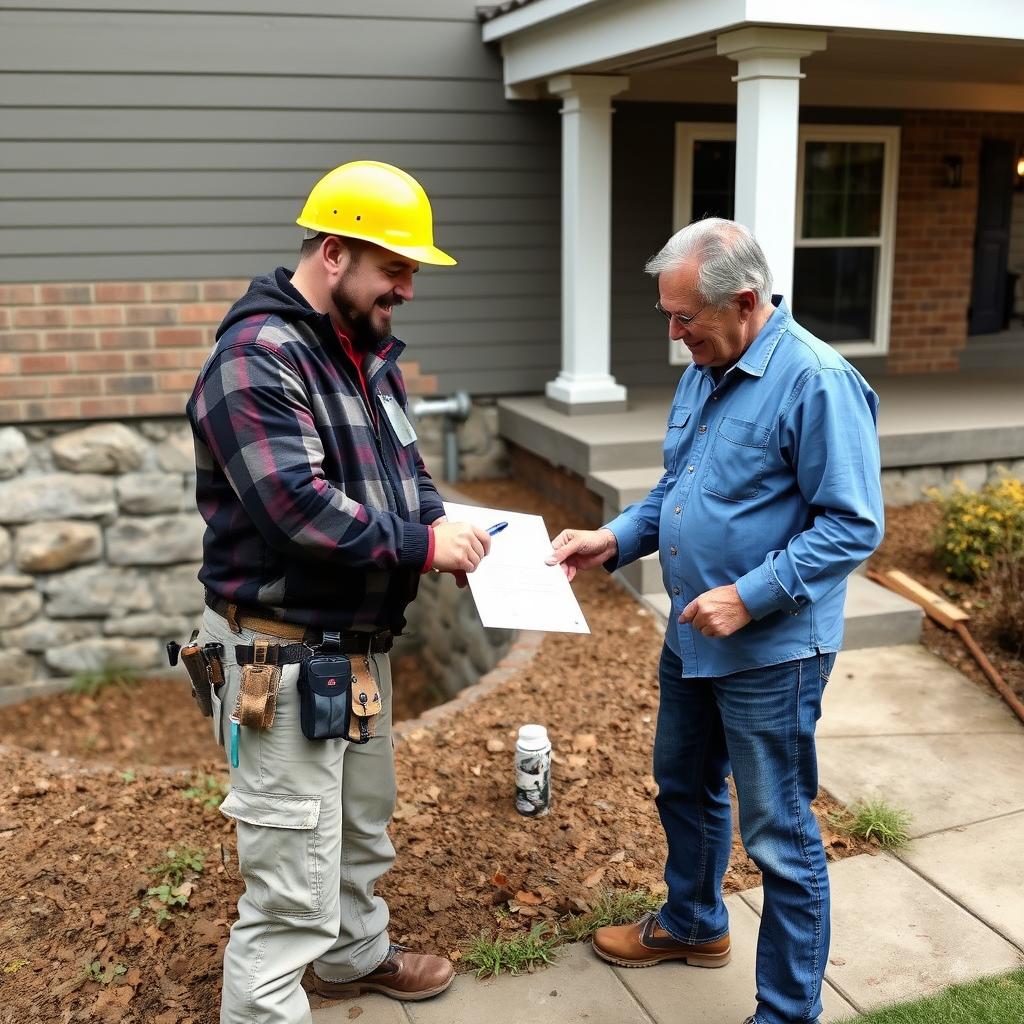
What it covers
- Contractor license bonds required by state or municipal licensing boards
- Performance bonds guaranteeing project completion per contract
- Payment bonds guaranteeing payment to subcontractors and suppliers
- Bid bonds for commercial and government waterproofing project bids
- Maintenance bonds for warranty-period guarantees after project completion
- Supply bonds and specialty bond types for large commercial work
Who it's for
- Dampproofing and waterproofing contractors required to bond under state licensing
- Contractors bidding commercial or government waterproofing projects
- Operations that need to provide performance and payment bonds to GCs or owners
- Any contractor whose license requires an active bond to stay in compliance
Why CCA
- Fast bond placement so a licensing deadline or bid deadline doesn't stop you
- License bonds and surety bonds placed in all 50 states
- Performance and payment bond capacity for larger commercial waterproofing projects
Common questions about contractor license & surety bonds
A contractor license bond is a type of surety bond required by many states and municipalities for licensed contractors to operate. It protects the public by ensuring you'll perform work according to code and pay any damages if you don't. Most dampproofing and waterproofing contractor licenses require one.
A license bond satisfies a state or local licensing requirement. A performance bond is a project-specific bond required by a project owner or GC that guarantees you'll complete the waterproofing project per the contract terms. They're different instruments for different purposes — and we place both.
License bonds are typically placed in 24-48 hours. Performance and payment bonds for larger commercial projects require underwriting review of your financials and may take a few days. We move as fast as the bond type allows.
Yes — surety bond premium (your cost) is influenced by your credit score and business financials. Good credit results in lower premiums. If your credit is challenged, E&S markets can often still place a bond, typically at a higher premium.
Cost is driven by annual revenue, crew size, type of waterproofing work, chemical products used, equipment value, and loss history. We quote your actual operation in about 15 minutes — never a ballpark from a generic contractor form.
Yes. Contractors Choice Agency is licensed in all 50 states and writes dampproofing and waterproofing contractor programs nationwide — Texas, Southeast, Midwest, Northeast, California, Mountain States, Mid-Atlantic, and Pacific Northwest.
Typically 15 minutes on a call. Larger or higher-risk operations may take a day to place with the right markets, but we move fast and set expectations up front.
Often yes. We have admitted and E&S markets for waterproofing contractors declined over chemical product use, pollution claims, confined space operations, or other issues. Bring us your situation and we'll find a market.
Usually yes. A coordinated program closes gaps between policies and is typically cheaper than separate policies from separate carriers — and far easier to manage at claim time.
A.M. Best ratings reflect a carrier's financial strength and ability to pay claims. We place coverage with A-rated carriers so the coverage is there when a chemical exposure claim, a completed-operations lawsuit, or an excavation injury hits.
Yes. Crawl space encapsulation specialists are among the most active dampproofing contractor clients we serve. We place GL, contractor pollution liability, workers' comp with confined space exposure, and tools and equipment coverage for crawl space and vapor barrier contractors.
Completed-operations coverage in your GL policy responds when a customer makes a claim after the job is done — typically water intrusion, mold, or structural damage attributed to a failed waterproofing system. We ensure your policy has adequate completed-operations limits and confirm the policy doesn't exclude waterproofing work specifically.
Type of waterproofing work (exterior, interior, crawl space, commercial), annual revenue, crew size, equipment and tool values, chemical products used, current coverage, and loss history. The more detail, the more accurate the quote.
It can, with the right endorsements. If you use subcontractors, we ensure your GL policy properly addresses subcontractor liability and that your pollution coverage extends to subcontractor work where needed.
Seasonal dampproofing operations — common in colder climates where exterior work slows in winter — have different payroll patterns and equipment storage exposures. We structure the workers' comp and property coverage to reflect how your crew actually works across the year.
That's a completed-operations claim. Your GL policy's products-completed operations coverage should respond — covering defense costs, investigation, and any judgment or settlement. We make sure your policy has the limits and language to handle these claims, which can be significant when mold remediation and structural repair are involved.
Yes. If you run multiple crews across several active sites, we build one coordinated program covering your operations with inland marine for equipment in transit and GL covering work at all locations.
Yes. If you take on commercial building waterproofing, below-grade parking structure dampproofing, or large-scale drainage system installation, we add the commercial GL limits, bonds, and contractor pollution liability required for larger project contracts.
Pair it with related coverage
Ready to protect your dampproofing operation?
Get a 15-minute quote from specialists who understand waterproofing contractors — GL, contractor pollution liability, crawl space workers' comp, and chemical transport auto.