Contractor Pollution Liability for dampproofing contractors
Solvent-based waterproofing membranes, coal tar pitch, crystalline chemicals, and VOC-emitting products trigger pollution exclusions in standard GL policies. Contractor Pollution Liability covers bodily injury, property damage, and cleanup costs from chemical releases that your GL was never built to handle.
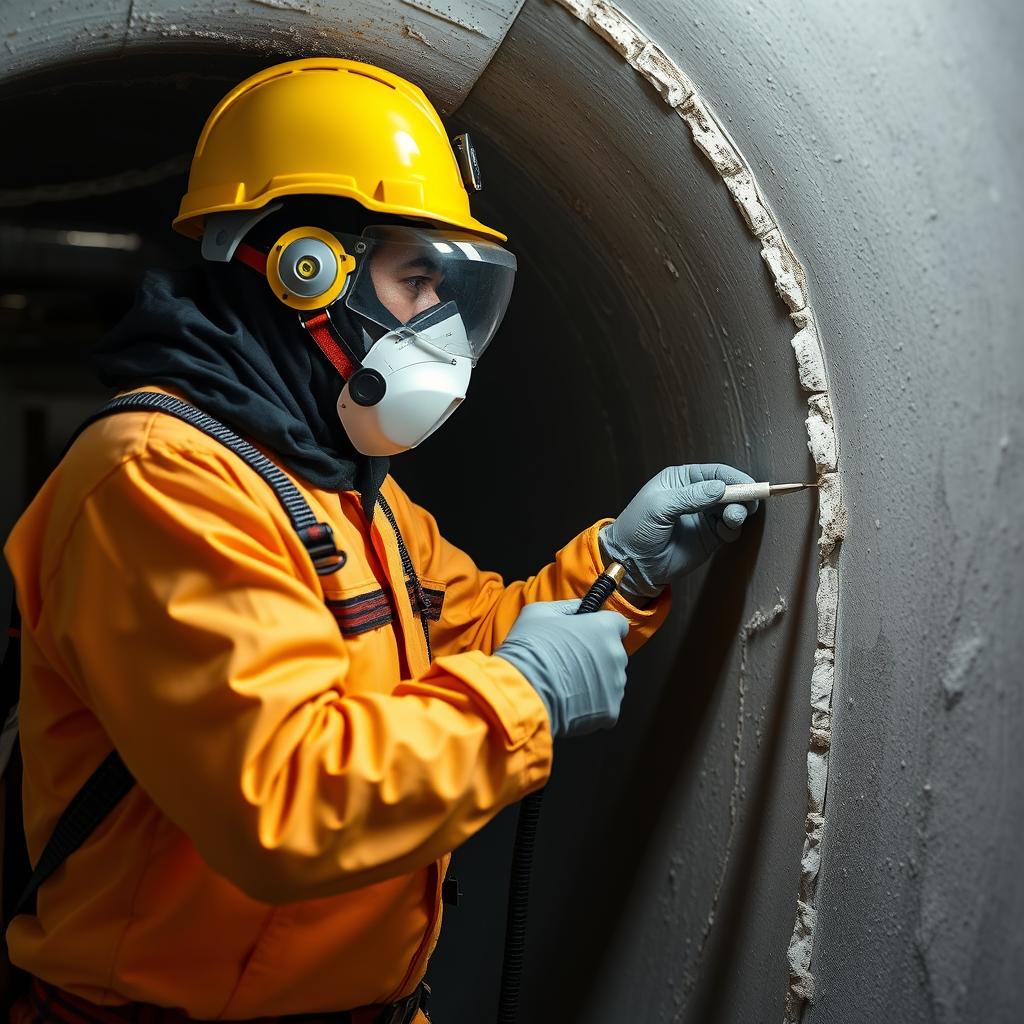
What it covers
- Bodily injury from chemical exposure during membrane application
- Property damage from solvent or chemical releases on or near the job site
- Cleanup and remediation costs from a chemical spill or release
- Defense costs for pollution-related claims and regulatory proceedings
- Vapor intrusion claims from solvent-based product use in confined spaces
- Third-party claims from neighbors or building occupants during application
Who it's for
- Contractors using solvent-based bituminous or polyurethane membranes
- Waterproofing applicators using coal tar pitch or coal-tar modified products
- Crawl space contractors using VOC-emitting vapor barriers or adhesives
- Any dampproofing contractor whose GL has been denied a pollution claim
Why CCA
- CPL placed with markets that specifically underwrite dampproofing chemical exposure
- Coverage structured to coordinate with GL so there's no gap between the two policies
- E&S market access for contractors with prior pollution claims or high-risk chemical profiles
Common questions about contractor pollution liability
The pollution exclusion in a standard GL policy removes coverage for bodily injury or property damage arising from the discharge, dispersal, or seepage of a 'pollutant' — which is broadly defined to include chemicals, solvents, and vapors. Solvent-based waterproofing membranes and coal tar products routinely trigger this exclusion, leaving dampproofing contractors with uncovered claims.
CPL covers bodily injury and property damage from a wide range of waterproofing chemicals — solvent-based bituminous membranes, coal tar pitch, polyurethane membrane solvents, crystalline waterproofing admixtures, VOC-containing surface sealers, and spray-applied moisture barriers. The specific policy language varies by carrier, so we review your product list before binding.
Yes — vapor intrusion from solvent-based products in confined spaces like crawl spaces is one of the key exposures CPL addresses. If a crawl space occupant or worker claims chemical vapor exposure, CPL covers the claim that standard GL excludes.
CPL premiums for dampproofing and waterproofing contractors vary based on annual revenue, chemical products used, and loss history. It's typically a modest addition to the total program premium — and far less costly than an uncovered pollution claim.
Some markets offer combined GL + CPL endorsements; others require separate policies. We evaluate both approaches and place the structure that gives you the best coverage and cleanest claims handling — avoiding the gap that can appear between a GL and a separate CPL policy.
Cost is driven by annual revenue, crew size, type of waterproofing work, chemical products used, equipment value, and loss history. We quote your actual operation in about 15 minutes — never a ballpark from a generic contractor form.
Yes. Contractors Choice Agency is licensed in all 50 states and writes dampproofing and waterproofing contractor programs nationwide — Texas, Southeast, Midwest, Northeast, California, Mountain States, Mid-Atlantic, and Pacific Northwest.
Typically 15 minutes on a call. Larger or higher-risk operations may take a day to place with the right markets, but we move fast and set expectations up front.
Often yes. We have admitted and E&S markets for waterproofing contractors declined over chemical product use, pollution claims, confined space operations, or other issues. Bring us your situation and we'll find a market.
Usually yes. A coordinated program closes gaps between policies and is typically cheaper than separate policies from separate carriers — and far easier to manage at claim time.
A.M. Best ratings reflect a carrier's financial strength and ability to pay claims. We place coverage with A-rated carriers so the coverage is there when a chemical exposure claim, a completed-operations lawsuit, or an excavation injury hits.
Yes. Crawl space encapsulation specialists are among the most active dampproofing contractor clients we serve. We place GL, contractor pollution liability, workers' comp with confined space exposure, and tools and equipment coverage for crawl space and vapor barrier contractors.
Completed-operations coverage in your GL policy responds when a customer makes a claim after the job is done — typically water intrusion, mold, or structural damage attributed to a failed waterproofing system. We ensure your policy has adequate completed-operations limits and confirm the policy doesn't exclude waterproofing work specifically.
Type of waterproofing work (exterior, interior, crawl space, commercial), annual revenue, crew size, equipment and tool values, chemical products used, current coverage, and loss history. The more detail, the more accurate the quote.
It can, with the right endorsements. If you use subcontractors, we ensure your GL policy properly addresses subcontractor liability and that your pollution coverage extends to subcontractor work where needed.
Seasonal dampproofing operations — common in colder climates where exterior work slows in winter — have different payroll patterns and equipment storage exposures. We structure the workers' comp and property coverage to reflect how your crew actually works across the year.
That's a completed-operations claim. Your GL policy's products-completed operations coverage should respond — covering defense costs, investigation, and any judgment or settlement. We make sure your policy has the limits and language to handle these claims, which can be significant when mold remediation and structural repair are involved.
Yes. If you run multiple crews across several active sites, we build one coordinated program covering your operations with inland marine for equipment in transit and GL covering work at all locations.
Yes. If you take on commercial building waterproofing, below-grade parking structure dampproofing, or large-scale drainage system installation, we add the commercial GL limits, bonds, and contractor pollution liability required for larger project contracts.
Pair it with related coverage
Ready to protect your dampproofing operation?
Get a 15-minute quote from specialists who understand waterproofing contractors — GL, contractor pollution liability, crawl space workers' comp, and chemical transport auto.