Commercial Auto for Dampproofing Contractors
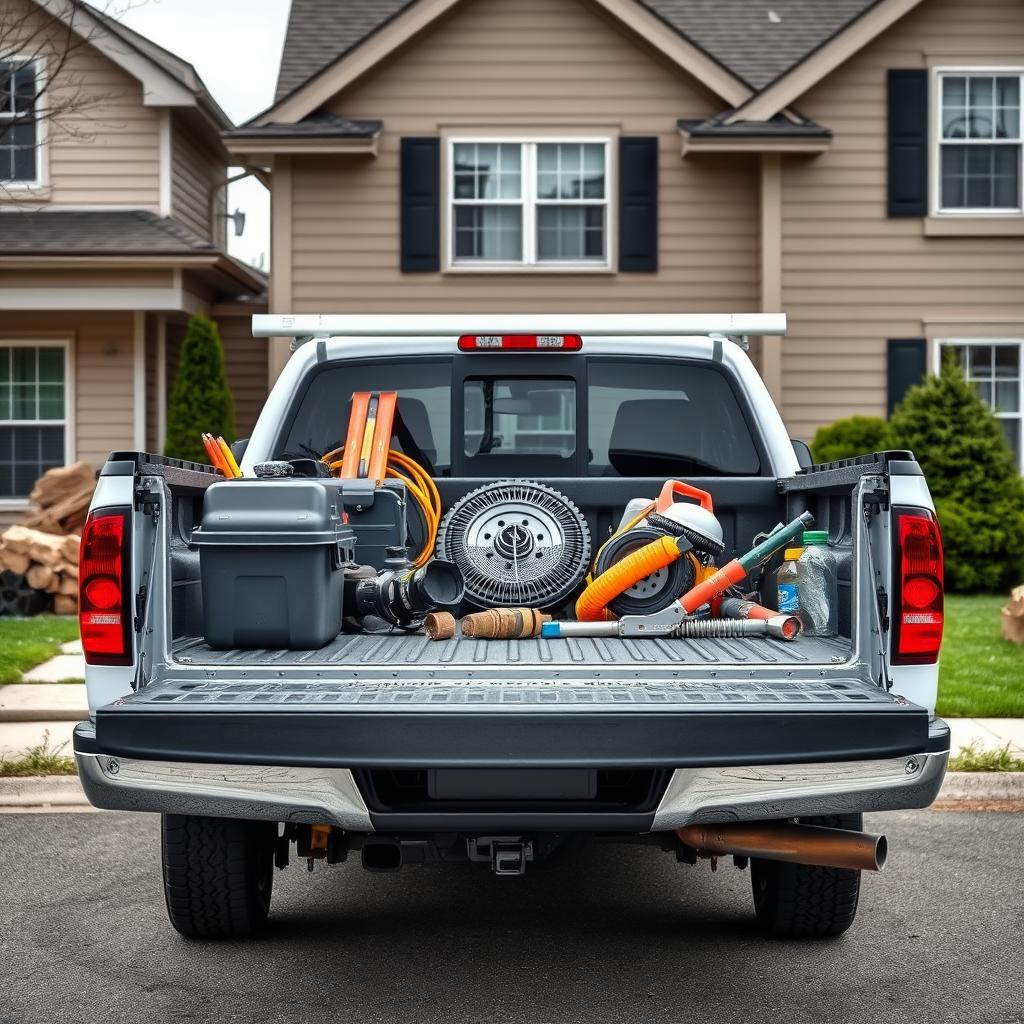
Every dampproofing and waterproofing contractor depends on vehicles — work trucks loaded with tools and equipment, trailers hauling spray rigs and drainage materials, vans carrying chemical products. The moment those vehicles hit a public road, you have commercial auto exposure. And if you're relying on a personal auto policy or a standard farm/contractor auto form that hasn't been reviewed for your actual operations, you may have significant gaps in coverage that won't surface until a claim occurs.
Why Personal Auto Doesn't Cover Business Use
This is where many small contractors get caught. A pickup truck used primarily for business — hauling tools, driving to job sites, transporting chemicals — is typically excluded from a personal auto policy for business use. If your employee is driving a personal vehicle for a delivery or a job site run and gets into an accident, their personal policy may deny the claim on business-use grounds.
The answer is commercial auto coverage, which covers vehicles used in the course of your business, including owned vehicles, leased vehicles, and in certain forms, vehicles owned by employees that are used for business purposes (hired and non-owned auto).
What Commercial Auto Covers
Liability. Commercial auto liability covers bodily injury and property damage caused to third parties in an accident involving a covered vehicle. If your driver rear-ends another vehicle on the way to a job site, commercial auto liability pays for the other party's injuries and vehicle damage.
Physical damage. Covers damage to your own vehicles from collision (hitting something) and comprehensive (theft, fire, weather, vandalism). If your work truck is stolen from a job site parking lot, comprehensive coverage pays for the replacement. If your driver clips a concrete bollard backing into a customer's driveway, collision pays for the truck repair.
Medical payments. Covers medical expenses for your driver and passengers regardless of fault — useful for quick resolution of minor injury claims without needing to establish liability.
Uninsured and underinsured motorist. Covers your vehicles and occupants if the at-fault driver doesn't have insurance or doesn't have enough. A significant percentage of drivers are uninsured or carry only minimum limits — this coverage protects you when the other party can't.
Hired and non-owned auto. Covers your business's liability when employees use their own vehicles or rented vehicles on business. This is essential for dampproofing contractors who have employees stop at a supply house, deliver materials, or travel between job sites in personal vehicles.
The Chemical Transport Exposure
Dampproofing and waterproofing contractors transport chemical products on every truck that goes to a job site. Solvent-based membranes, primers, bonding agents, and in some operations, coal tar products or polyurethane components are being hauled in truck beds and van cargo areas to residential and commercial job sites.
This creates a specific commercial auto exposure that generic contractor auto policies may not fully address: the liability associated with a chemical spill from a vehicle accident.
If your truck is involved in a collision and chemical products in the truck bed spill and contaminate a road surface, adjacent properties, or a storm drain, you may be facing environmental cleanup liability on top of the standard accident liability. Standard commercial auto covers the accident liability; a chemical spill that creates environmental contamination is more likely to fall under your contractor pollution liability policy.
This is why coordination between your commercial auto and contractor pollution liability policies matters. Make sure your agent understands that you transport chemical products so both policies are structured to handle the combined exposure of a vehicle accident involving chemical cargo.
Equipment Trailers
Most dampproofing contractors haul at least one equipment trailer — a landscape trailer loaded with drainage materials, a utility trailer for injection equipment, or a dedicated spray rig trailer. Trailers create two coverage questions:
Liability while towing. Trailers being towed by a covered auto are typically covered under commercial auto liability for accidents that cause third-party injury or property damage. The liability follows the tow vehicle.
Physical damage to the trailer. The trailer itself needs to be scheduled on your commercial auto policy for physical damage coverage. An unscheduled trailer isn't automatically covered for collision or comprehensive — and a spray rig trailer with $30,000 in equipment on it needs to be properly scheduled with adequate limits.
Also check whether your trailer's attached equipment (a mounted spray rig, for example) is covered under commercial auto physical damage or whether it falls under your tools and equipment / inland marine policy. The coverage boundary between "vehicle" and "equipment" at claim time is a common source of disputes — address it before a loss occurs.
Hired and Non-Owned Auto for Dampproofing Operations
Hired and non-owned auto (HNOA) is one of the most frequently neglected coverages for small to mid-sized contractors. It covers your business's liability when:
- An employee uses their personal vehicle to run a business errand (picking up supplies, driving to a job site, delivering materials)
- You rent a vehicle for a project and an employee drives it
- A subcontractor uses their own vehicle on your job and an accident occurs
If you have employees who ever drive their personal vehicles on company business — even occasionally — you have hired and non-owned auto exposure. If an employee is at-fault in an accident while doing something business-related in their personal vehicle, your business can be named in the lawsuit even though you don't own the vehicle.
HNOA is typically a modest premium addition to a commercial auto policy but provides meaningful protection for the hired and non-owned exposure that nearly every dampproofing operation carries.
Fleet vs. Single-Vehicle Programs
If you run one or two trucks, a standard commercial auto policy with scheduled vehicles is straightforward. As your fleet grows, fleet programs with blanket coverage become more efficient — covering any vehicle you add to the fleet rather than requiring individual scheduling for each new vehicle.
For larger operations with 5 or more vehicles, fleet programs often come with volume pricing advantages and simpler administration. The tradeoff is that blanket fleet policies may have different terms for newly acquired vehicles — typically automatic coverage for 30-90 days, after which new vehicles need to be reported to maintain coverage.
Coordinating Commercial Auto With the Rest of Your Program
Commercial auto doesn't exist in isolation — it needs to coordinate with the rest of your insurance program:
- GL covers the job site; commercial auto covers the road. Make sure both are in place.
- CPL covers chemical exposure claims; commercial auto covers vehicle accidents. A spill from a moving vehicle may implicate both.
- Tools and equipment / inland marine covers what's in the truck; commercial auto covers the truck. Know where one ends and the other begins.
- Umbrella provides excess limits above both GL and commercial auto liability limits — essential for operations where a single serious accident could generate damages above primary limits.
Ready to get commercial auto coverage right for your dampproofing operation? Call us at 844-967-5247 or request a quote online.
Need this coverage for your waterproofing business?
Get a real quote in about 15 minutes — we shop A-rated specialty contractor markets.