General Liability for Dampproofing Contractors
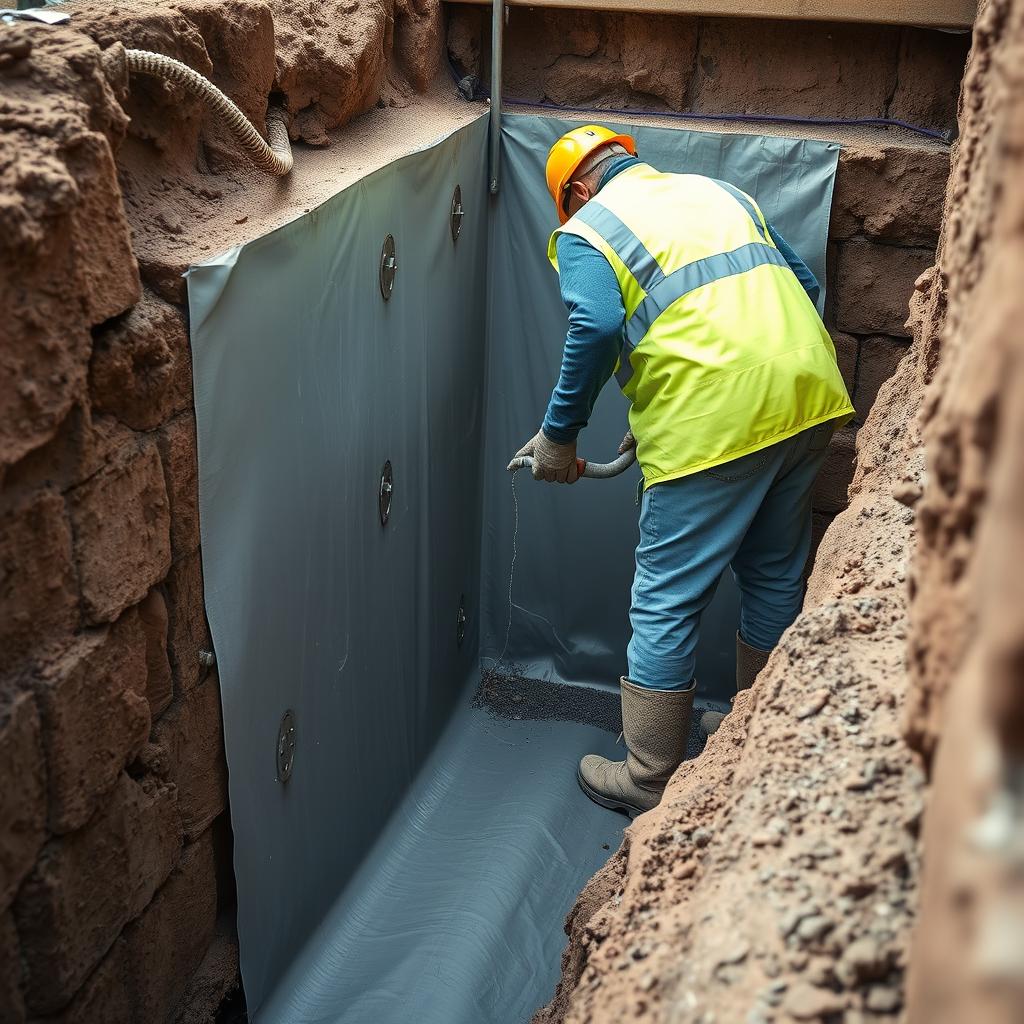
If you run a dampproofing or waterproofing business, general liability insurance isn't optional — it's the foundation of your coverage program. GL protects you from the third-party claims that come with the territory: property damage during excavation, bodily injury on a customer's premises, and completed-operations claims when a customer calls back two years after a job claiming the waterproofing system failed.
What GL Covers for Dampproofing Contractors
General liability provides three essential protections for waterproofing contractors:
Third-party bodily injury and property damage. If someone is injured at a job site where you're working, or if your crew damages a customer's property during an exterior waterproofing excavation, your GL policy covers defense costs, settlements, and judgments.
Completed-operations coverage. This is the big one for dampproofing contractors. Completed-operations coverage in your GL policy responds when a customer makes a claim after the job is done — typically months or years later. The claim usually looks like this: "Your waterproofing system failed, water got in, and now I have mold in my basement." Whether the claim has merit or not, your GL policy covers your defense and any settlement up to your policy limits.
Property damage during excavation. Exterior foundation waterproofing requires excavating around the perimeter of a structure, and that excavation creates real exposure. Underground utility strikes, damage to landscaping, and — in dense urban settings — damage to adjacent structures are all common GL claims for exterior waterproofing contractors. Your GL policy covers these third-party property damage claims.
The Excavation Exposure
Exterior dampproofing is one of the higher-exposure operations in residential construction. You're digging down to the footing, often 6 to 8 feet, around a structure that's attached to a foundation carrying the weight of the building. Mistakes happen — and when they do, they're expensive.
A struck utility line can mean a gas leak, a power outage, or a water main break. Damage to an adjacent driveway, landscaping, or in the case of rowhouses and tight urban lots, damage to an adjoining structure — these are claims that run into the tens of thousands of dollars quickly. General liability is what covers these costs so a bad excavation day doesn't bankrupt your business.
Completed-Operations: The Long Tail
Dampproofing contractors carry a long completed-operations tail. Unlike a plumber who fixes a leak and knows within days whether the repair held, a waterproofing contractor's work isn't tested until the next heavy rain, the next spring thaw, or the next major storm event — which could be months or years after the job was completed.
When a customer calls back and claims water is coming in through a wall you waterproofed, you face a completed-operations claim. Whether the water intrusion is caused by a failure in your workmanship or by hydrostatic pressure that exceeded the system's design capacity, you'll need to defend yourself — and defense costs alone on a contractor liability claim can run $25,000 to $50,000 before a settlement is reached.
Standard GL policies include products-completed operations coverage, but the limits and the policy language matter enormously. Make sure your policy doesn't contain a waterproofing exclusion (some do) and that your completed-operations aggregate limit is adequate for the type of work you do.
GL and Mold Claims
Mold is the completed-operations exposure that keeps dampproofing contractors up at night. When a customer discovers mold in a basement or crawl space and traces it back to water intrusion they claim was caused by a failed waterproofing system, the claim quickly gets complicated.
Mold remediation is expensive — remediation of a finished basement with significant mold growth can run $10,000 to $30,000 before structural repairs are even considered. If the claim involves personal injury from mold exposure (headaches, respiratory issues), the damages get larger. Your GL policy's completed-operations coverage needs to be structured with adequate per-occurrence and aggregate limits to handle these claims.
What GL Doesn't Cover
General liability has significant gaps for dampproofing contractors that you need to address separately:
Chemical exposure claims. If you use solvent-based waterproofing membranes, coal tar products, or other chemical waterproofing systems, standard GL policies contain a pollution exclusion that can deny coverage for chemical exposure claims. You need a separate Contractor Pollution Liability (CPL) policy for those exposures.
Your own tools and equipment. GL covers damage you cause to others' property — it doesn't cover damage to your own tools, equipment, or spray rigs. That's a separate tools and equipment or inland marine policy.
Workers' injuries. GL covers third-party claims, not injuries to your own crew. Workers' compensation handles employee injuries.
Getting the Right GL Program
The right GL program for a dampproofing contractor includes:
- $1M per occurrence / $2M aggregate as the baseline — commercial projects often require higher
- Products-completed operations coverage with a separate aggregate
- No waterproofing work exclusion in the policy language
- Proper description of operations that reflects your actual scope — exterior waterproofing, interior drain tile, crawl space encapsulation, French drains, and any other services you provide
If you work as a subcontractor for general contractors, your GL policy also needs to satisfy the additional insured requirements those GC contracts typically include. Make sure your policy includes blanket additional insured and waiver of subrogation endorsements so you can comply with contract requirements without calling your agent for every new job.
Get a program tailored to your waterproofing operation — call us at 844-967-5247 or request a quote online.
Need this coverage for your waterproofing business?
Get a real quote in about 15 minutes — we shop A-rated specialty contractor markets.