Workers' Comp for Waterproofing and Dampproofing Crews
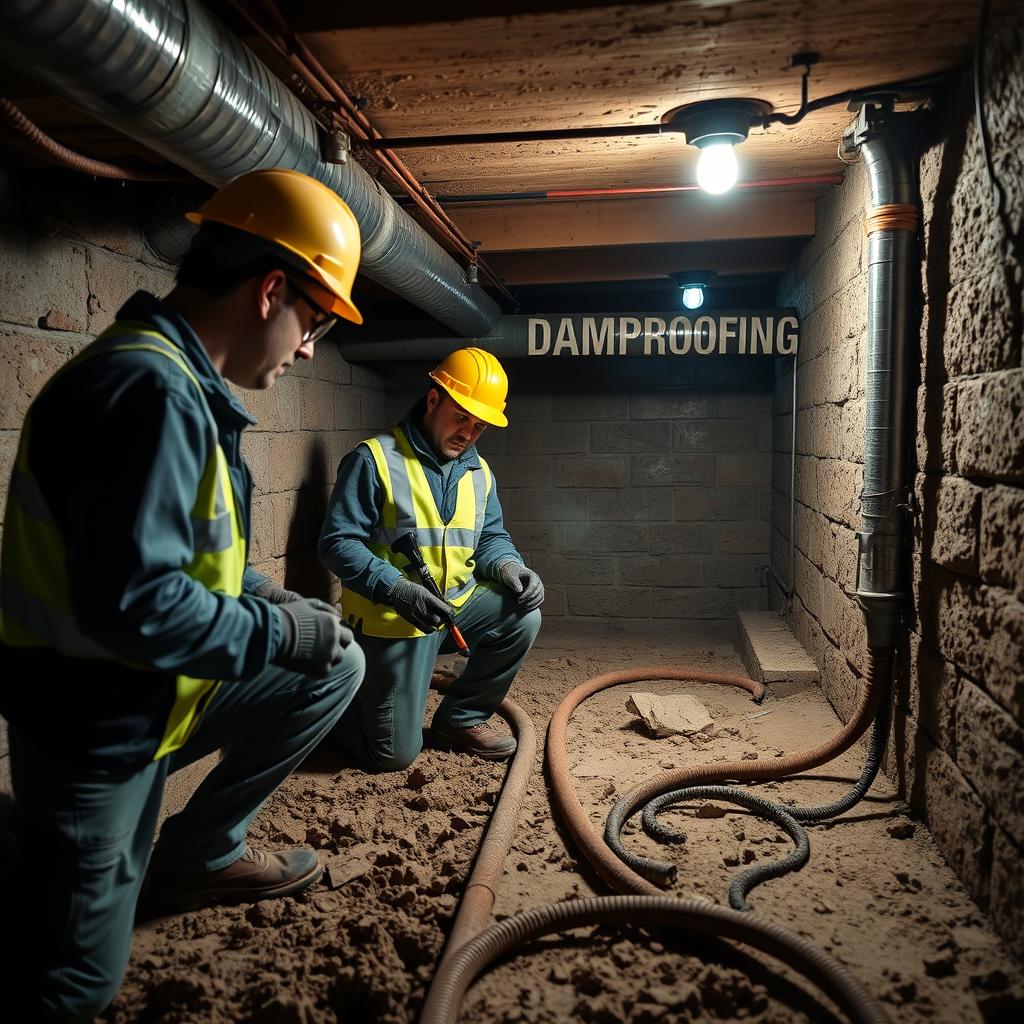
Dampproofing and waterproofing is classified as a high-hazard trade — and for good reason. The combination of confined space work, chemical exposure, excavation, and heavy physical labor creates an injury profile that's more complex than most residential construction trades. Workers' compensation isn't just a legal requirement for most employers — it's the coverage that keeps a serious job site injury from becoming a business-ending event.
The Hazards That Define Dampproofing Work
Before getting into the coverage mechanics, it's worth understanding what makes dampproofing workers' comp different from a general contractor or painter.
Confined space entry. Crawl space waterproofing and encapsulation is the most hazardous category of dampproofing work. Crawl spaces are classified as confined spaces under OSHA standards when they're not designed for continuous occupancy, have limited entry and egress, and may contain atmospheric hazards. Workers entering crawl spaces face oxygen-deficient atmospheres, accumulation of solvent vapors from application products, physical injury from sharp protrusions, and the risk of being overcome by chemical vapors with no quick exit available. OSHA confined space rules (29 CFR 1910.146 and 1926.1203 for construction) require a permit system, atmospheric testing, rescue procedures, and attendant coverage.
Chemical exposure. Dampproofing crews are regularly exposed to solvent-based waterproofing membranes, coal tar products, polyurethane membrane solvents, and VOC-containing primers and sealers. Repeated chemical exposure creates occupational illness claims — respiratory sensitization, dermatitis, and in the case of coal tar products, potential carcinogen exposure. Workers' comp covers both acute injuries from accidental chemical contact and gradual occupational illness claims from repeated exposure.
Excavation and trench work. Exterior waterproofing requires excavating down to the foundation footing — often 6 to 10 feet deep around a structure. OSHA excavation standards (29 CFR 1926 Subpart P) mandate protective systems (sloping, shoring, or trench boxes) for trenches deeper than 5 feet. Cave-in risk is real — trench collapse is one of the leading causes of construction fatalities. Workers in an unsupported trench can be buried in seconds, and cave-in injuries are severe. Workers' comp covers trench injuries, but the better answer is compliance with OSHA shoring requirements so the injury never happens.
Fall and strain injuries. Dampproofing crews carry heavy equipment, drainage board rolls, and chemical containers in physically demanding environments — often on uneven terrain around excavated foundations. Musculoskeletal injuries (back strains, shoulder injuries) from material handling are among the most common workers' comp claims for waterproofing contractors.
Class Codes for Dampproofing and Waterproofing
Workers' comp premiums are calculated based on class codes — NCCI or state bureau codes that describe the type of work being done. Correct class codes matter enormously for dampproofing contractors because the wrong code can mean overpaying premium or, worse, finding out at audit that your crew was misclassified and the coverage you thought you had didn't apply to the injury that occurred.
Common class codes for dampproofing and waterproofing operations include:
- Code 5348 – Waterproofing. The primary code for exterior and interior waterproofing, including foundation membrane application, drain tile installation, and related work. This code captures most dampproofing operations.
- Code 5027 – Masonry Work – Waterproofing or Caulking. Used for masonry-based waterproofing, including crystalline waterproofing applications, masonry sealing, and tuckpointing with waterproofing intent.
- Code 6217 – Excavation. If your crew does significant excavation in connection with exterior waterproofing, this code may apply to the excavation-specific portion of your payroll, and it carries a higher rate than standard waterproofing codes given the cave-in and heavy equipment exposure.
- Code 8742 – Clerical/Outside Sales. Office and administrative staff who don't go on job sites are classified separately at a much lower rate.
State-specific codes may vary. Working with an agent who understands dampproofing operations is essential to ensuring your crews are correctly classified across all job functions.
What Workers' Comp Covers
Workers' compensation provides two types of coverage:
Part One — Workers' Compensation. Medical benefits and disability wage replacement for employees injured on the job, including occupational illness. There are no coverage limits on Part One in most states — the carrier pays all covered medical costs and the applicable wage replacement, subject to state benefit schedules.
Part Two — Employers' Liability. Covers lawsuits brought against the employer by an injured employee (or the employee's family) that aren't covered by the workers' comp benefit structure. Employees generally can't sue their employer for a workers' comp injury, but exceptions exist — dual-capacity claims, third-party actions that loop back to the employer, and some states' laws create exposure that Employers' Liability covers.
Seasonal and Variable Payroll
Dampproofing and waterproofing work is often seasonal — particularly in the northern states where exterior waterproofing slows or stops during winter months. Workers' comp policies are based on estimated annual payroll, with a premium audit at the end of the year to true up to actual payroll.
This means if you ramp up crew size for a busy spring and summer season and then reduce heading into fall, your annual payroll estimate needs to reflect those fluctuations. If you significantly underestimate payroll, the audit will produce an additional premium bill. If you overestimate, you'll get a credit.
Work with your agent to project payroll accurately and update the estimate mid-year if your crew size changes significantly from initial projections.
Subcontractor Coverage
If you use subcontractors on waterproofing projects, your workers' comp policy may cover them if they don't have their own workers' comp coverage — at your rates and your expense. Always verify certificates of insurance from subcontractors before they start work. Uninsured subcontractors become your premium liability at audit.
For dampproofing contractors who use 1099 workers for seasonal peak demand, the distinction between employee and independent contractor matters for workers' comp. If a worker is misclassified as a 1099 independent contractor when they function as an employee (your tools, your schedule, your direction), the workers' comp carrier may treat them as employees at audit. Get the classification right up front.
Ready to get workers' comp structured correctly for your crew? Call us at 844-967-5247 or request a quote online.
Need this coverage for your waterproofing business?
Get a real quote in about 15 minutes — we shop A-rated specialty contractor markets.