Insuring Waterproofing Equipment and Tools
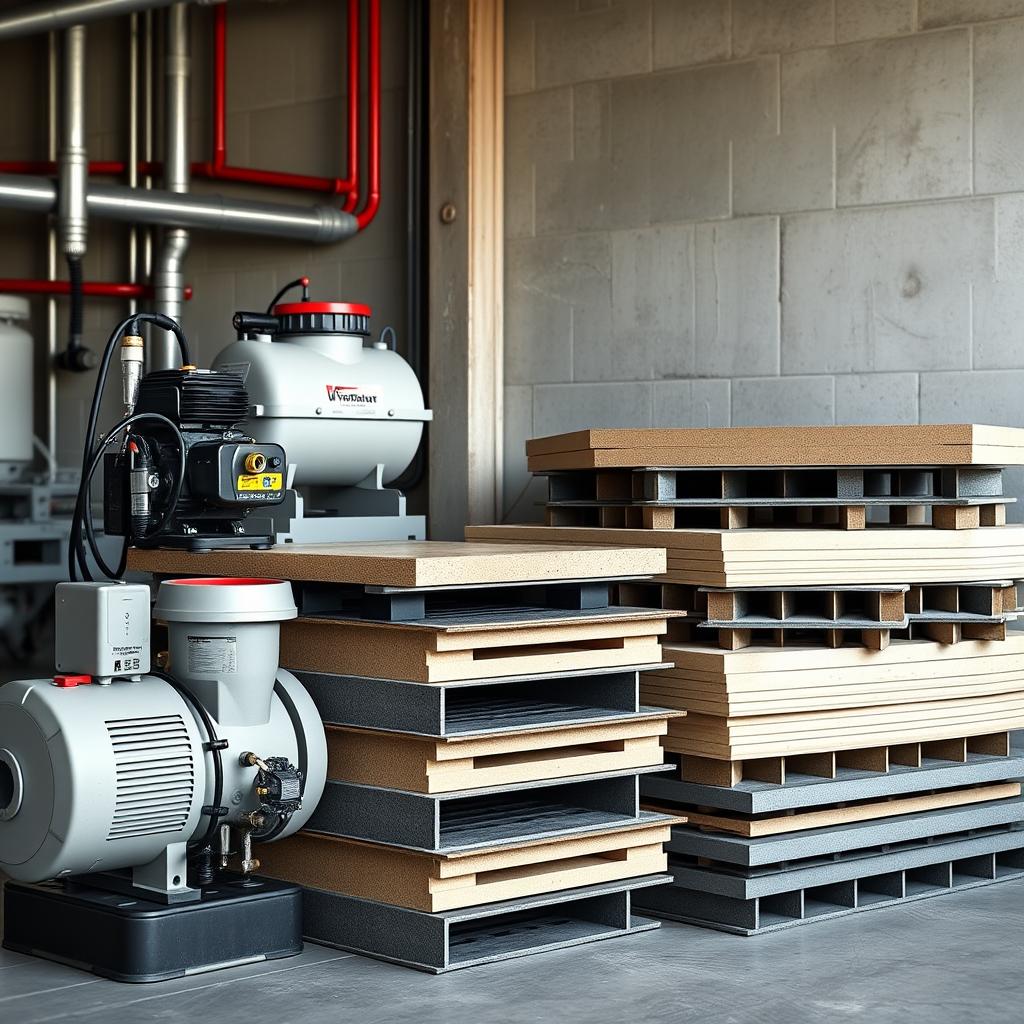
The equipment a professional dampproofing contractor carries to a job site represents a significant capital investment — often $50,000 to $150,000 or more in spray rigs, injection systems, drainage equipment, and specialized tools. Yet most contractors carry inadequate coverage for this equipment, or none at all, assuming it's covered under a general liability or commercial auto policy. It isn't.
Understanding what covers your waterproofing equipment — and where the gaps are — is essential to making sure a theft, a fire, or a job site accident doesn't put your operation on hold.
What Equipment Dampproofing Contractors Carry
Before looking at the coverage, it's worth cataloging what's actually at risk:
Spray application equipment. Airless spray rigs, plural-component spray systems for two-part polyurethane membranes, and high-pressure injection equipment are the high-value items in a waterproofing contractor's arsenal. A professional-grade plural-component spray system can run $15,000 to $40,000. An injection pump system for crystalline waterproofing or polyurethane crack injection runs $3,000 to $15,000 depending on capacity and configuration.
Drainage system equipment. Interior drain tile installation requires concrete saw cutting equipment, core drills, and sump pump installation tools. Exterior drainage installation often involves compact excavation equipment, plate compactors, and drainage board installation tools. These categories can total $10,000 to $30,000 for a fully equipped crew.
Sump pump systems. High-capacity sump pump systems — battery backup systems, dual-pump configurations, water-powered backup units — represent inventory that's staged at job sites and at risk of theft. Commercial sump pump systems can run $500 to $3,000 per unit.
Surface preparation equipment. Shot blasters, scarifiers, angle grinders, concrete diamond grinding equipment, and pressure washers for surface preparation before membrane application represent another $5,000 to $20,000 in equipment per crew.
General hand tools. A fully equipped dampproofing crew carries thousands of dollars in hand tools — chisels, hammers, trowels, caulk guns, pry bars, and specialized waterproofing application tools.
Why GL and Commercial Auto Don't Cover Equipment
This is the most common misconception. General liability covers damage you cause to other people's property — it does not cover damage to or theft of your own property. Your GL policy is not the right answer for a stolen spray rig or a tool chest that disappears from a job site.
Commercial auto covers your vehicles and their liability — but coverage for property inside or attached to the vehicle has limits. Many commercial auto policies exclude or severely limit coverage for tools, equipment, and materials in or on a vehicle. A spray rig mounted to a work truck is not automatically covered under commercial auto for theft or damage.
Even if your commercial auto does cover equipment in the vehicle, it typically doesn't cover equipment that's been removed from the vehicle and staged at a job site — where most equipment theft actually occurs.
Tools and Equipment Coverage
A standalone tools and equipment policy (sometimes called an equipment floater) is designed specifically for the gap between what GL covers and what commercial auto covers. Key features:
On-premises and off-premises coverage. Tools and equipment coverage protects your equipment at your shop, in your vehicles, and at job sites. Most policies cover equipment anywhere it goes as part of your operations.
Theft coverage. Theft of tools and equipment from job sites is one of the most common claims for contractors. A tools and equipment policy covers theft of scheduled items whether the equipment is in a locked vehicle, in a locked job-site trailer, or staged at an active work site.
Physical damage. Equipment damaged by accident, vandalism, or misuse is covered. If a spray rig is knocked off a truck bed or a compressor is crushed by falling materials, the tools and equipment policy covers repair or replacement.
Replacement cost vs. actual cash value. This is the critical distinction. A tools and equipment policy written on a replacement cost basis pays what it costs to replace the item — not its depreciated value. A five-year-old spray rig on an actual cash value policy might receive 30-50% of its original value at claim time. On a replacement cost policy, you receive what a comparable new unit costs. For high-value spray equipment, the difference is substantial.
Inland Marine Coverage
For larger waterproofing operations — particularly those running multiple crews across multiple active sites — an inland marine floater may be the better option than a standalone tools and equipment policy.
Inland marine is a broader category that can cover:
- Tools and equipment in transit and at job sites
- Waterproofing materials and drainage board stock in transit
- Chemical products and membrane rolls staged at large commercial projects
- High-value equipment on individual scheduled items (for items over $10,000)
- Equipment rented from others that's in your care, custody, and control
Inland marine floaters are typically written as a scheduled policy (listing specific items) or as a blanket policy (covering all equipment up to a blanket limit). Scheduled policies provide clearer coverage for high-value individual items; blanket policies are simpler to manage for operations with frequently changing equipment inventories.
Equipment Breakdown Coverage
One gap that both tools and equipment and inland marine policies share is that they cover damage from external causes — theft, fire, accident, vandalism. They don't cover mechanical or electrical breakdown of the equipment itself.
If a spray pump seizes due to internal mechanical failure, or a compressor burns out an electric motor, the repair cost typically falls outside a standard tools and equipment policy. Equipment breakdown coverage (sometimes combined with a property policy) covers internal mechanical and electrical failure.
For dampproofing contractors who rely on spray application equipment that runs continuously on busy job days, equipment breakdown coverage is worth adding. A spray rig breakdown in the middle of a large waterproofing project can mean days of downtime, hired equipment costs, and delayed project completion.
Protecting Your Investment
Getting equipment coverage right requires three things: accurate inventory of what you own, correct valuation on a replacement cost basis, and coordination between your tools and equipment policy, inland marine, commercial auto, and equipment breakdown coverages to ensure there are no gaps.
We help dampproofing contractors inventory and schedule their equipment properly so a claim pays what it should. Call us at 844-967-5247 or request a quote online.
Need this coverage for your waterproofing business?
Get a real quote in about 15 minutes — we shop A-rated specialty contractor markets.